"One of the biggest gaps is consistency in early hearing screening, diagnosis and what happens after a diagnosis"
October 15, 2026 | Thursday | Views
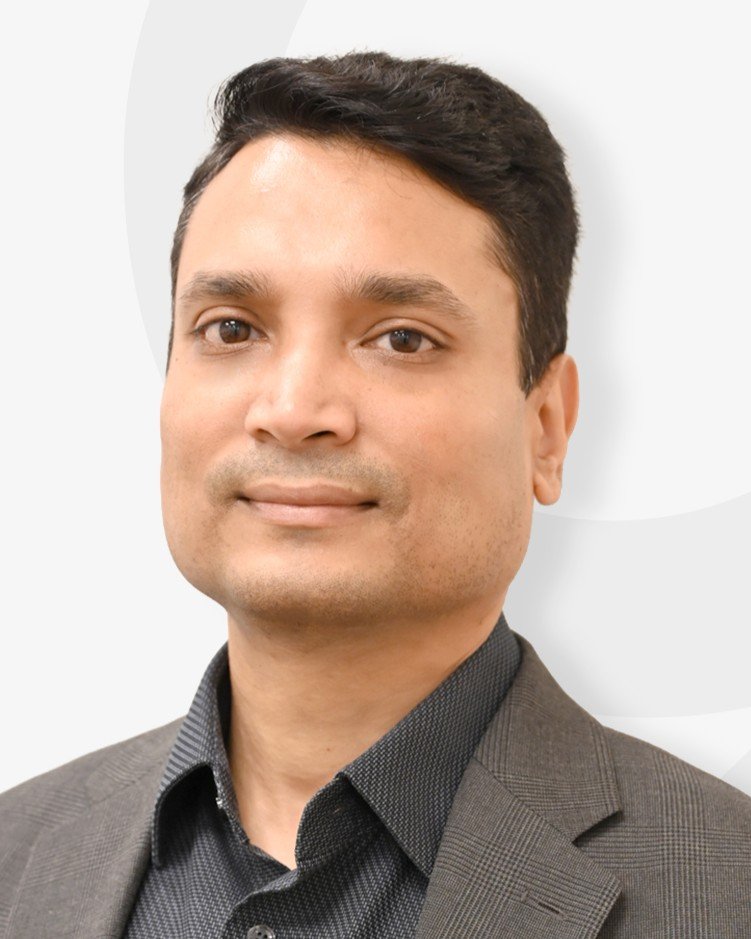
The conversation around cochlear implantation is evolving beyond simply restoring access to sound. In fact, hearing preservation is becoming an increasingly important consideration, Amidst this scenario, Prem Ranjan, Audiologist and Director, MED-EL India, discusses the launch of the SONNET 3 audio processor, advancements in cochlear implant technologies, and the need to strengthen India’s hearing healthcare ecosystem. In this interview with BioSpectrum, he highlights the importance of early diagnosis, accessible rehabilitation services, and expanding specialised hearing care beyond metropolitan cities to ensure more patients benefit from technological innovations.
What new products is the company launching for the Indian market?
There is the launch of SONNET 3, our latest behind-the-ear audio processor, which is now available in India. The audio processor is an important part of a cochlear implant system. It captures sound and converts it into electric signals and is sent to the implant. The electrode array of the implant delivers these signals to the hearing nerve. It uses state-of-the-art signal processing with adaptive intelligence to deliver clear and meaningful sounds to the user. The audio processor is not only beneficial in quiet listening environments, like a closed room, but also more realistic challenging listening environments, like restaurant noise conditions, music, etc.
Are you planning any new partnerships and investments to strengthen the company's presence in India?
Our approach in India is closely connected to the way MED-EL operates globally. MED-EL India is a directly owned subsidiary of the parent company, headquartered in Innsbruck, Austria. It allows technology, clinical protocols, research and quality standards to be delivered directly into the Indian market.
For patients and clinicians, this means access to new technologies and developments can happen faster, without the need for third-party licensing or distribution arrangements.. It also allows us to maintain consistency in areas such as clinical support, training and after-sales service.
As we look at the Indian market, strengthening that connection and continuing to build the ecosystem around patients will be just as important as introducing new products.
What are the biggest gaps in India's hearing healthcare ecosystem today, and how can early diagnosis and intervention be made more accessible?
One of the biggest gaps is consistency in early hearing screening, diagnosis and, equally importantly, what happens after a diagnosis. In many Western countries, Universal Neonatal Hearing Screening (UNHS) is already a standard practice. Newborns are screened before leaving the hospital, the results are documented and there are systems to ensure that babies who need further assessment are followed up.
India has made progress, but we still do not have that level of consistency nationwide. I would also argue that screening and intervention cannot be treated as two separate events. Identifying hearing loss is only the beginning. Once a child or adult is diagnosed, there needs to be a clear pathway that continues until they receive the appropriate intervention — whether that is a hearing aid, a surgical option or rehabilitation.
The real gap is not simply identifying hearing loss. It is keeping patients connected to the healthcare system long enough to achieve the optimal outcome.
As hearing healthcare moves beyond conventional hearing aids, how are cochlear and other implantable technologies evolving to address the needs of more patients?
It is important to clarify that cochlear implants are not simply more powerful hearing aids. They are intended for different degrees and types of hearing loss, and the decision to consider a cochlear implant follows established clinical criteria.
The starting point should always be the least invasive option that can provide adequate benefit. If a hearing aid can give someone sufficient benefit, that is the appropriate path. When a patient is not receiving adequate benefit from their hearing aid and meets the clinical criteria for implantation, a cochlear implant may be considered.
What technology is doing is expanding the possibilities within that clinical pathway.
We are seeing processors becoming more sophisticated, implant systems becoming more adaptable to patients' lifestyles, and technologies being developed with considerations such as MRI compatibility, Structure Preservation (to name a few) in mind. In fact, MED-EL FLEX electrode arrays have received FDA approval for Hearing Preservation. In simple terms it means that MED-EL FLEX electrodes can preserve functional residual hearing after implantation. This approval allows more adults with residual hearing to benefit from MED-EL cochlear implants with the help of the unique FLEX electrode arrays designed to preserve remaining hearing.
And the innovation pipeline is moving further. The launch of, world’s first and only, MED-EL's TICI UNICO in Europe in September 2026 - a commercially available totally implantable cochlear implant without an external processor- is an indication of where the field could be heading. Its availability in India is subject to appropriate regulatory approvals.
The focus ultimately has to remain the same: technology should make hearing care more effective, practical and relevant to the patient's everyday life soon after a diagnosis has been made.
What can industry, healthcare providers and policymakers do to improve access to these technologies?
Access needs to be understood as much more than simply being able to purchase a device. A cochlear implant journey is a long one. It begins with assessment and counselling, followed by surgery, and then months and years of device programming, auditory rehabilitation and follow-up. Every one of those stages needs the right infrastructure and trained professionals.
Government programmes and tenders are already helping provide access through a number of government hospitals. There is an opportunity to build on these models and extend them further into Tier 2 and Tier 3 cities, where access to specialised hearing care can still be limited.
Insurance is another important part of the conversation. Coverage should ideally look at the complete patient journey - not just the cost of the device, but surgery, rehabilitation, aftercare and long-term maintenance as well.
If we want more people to benefit from advances in hearing technology, we need to strengthen the ecosystem around the technology as well.
How can India expand access to advanced hearing care in Tier-2 and Tier-3 cities and rural areas, where specialist infrastructure and trained professionals may be limited?
Telemedicine can play a meaningful role here. It allows specialists to support patients remotely, reducing the need for people to travel long distances for every interaction.
But telemedicine is not a complete substitute for physical care. Some assessments, procedures and follow-up visits need to happen in person. That means we also need to develop healthcare infrastructure and trained professionals closer to where patients live.
The goal should be to create a connected network rather than concentrating specialised hearing care in a handful of metropolitan hospitals.
And perhaps the biggest challenge we need to address is patients falling out of the system. Someone may be diagnosed, or even receive treatment, but then struggle to continue with rehabilitation or follow-up because care is too far away, too expensive or simply difficult to access.
Technology can help us bridge some of these gaps, but the healthcare system has to be designed to keep patients connected throughout their journey.
Looking ahead to 2030, what major changes do you expect to see in the hearing healthcare market in India?
I am optimistic about the next few years because we can already see the direction in which technology is moving.
Having been closely connected with MED-EL's research and development work in Innsbruck, I have seen the level of investment and research that is going into the next generation of hearing technology. The launch of TICI UNICO in Europe is a good example of that progress — a totally implantable cochlear implant without an external processor is something the industry has been working towards for years.
At the same time, the global cochlear implant market is continuing to grow, reflecting increasing investment and demand for these technologies.
For India, I feel the opportunity goes beyond simply bringing newer devices into the country. We need to make sure that innovation is matched by better diagnosis, early intervention, stronger rehabilitation services and greater access outside the major metros.
By 2030, I would like to see hearing healthcare in India become much more connected — from screening and diagnosis right through to intervention and lifelong support.
Because ultimately, the measure of progress should not only be how advanced the technology becomes. It should be how many more people are able to access it and genuinely benefit from it optimally.
Vrushti Kothari
(vrushti.kothari@mmactiv.com)