Govt supports development of Continuous Health Surveillance Technology
January 22, 2026 | Thursday | News
For the development of a multi-vital Continuous Glucose Monitoring (CGM) device
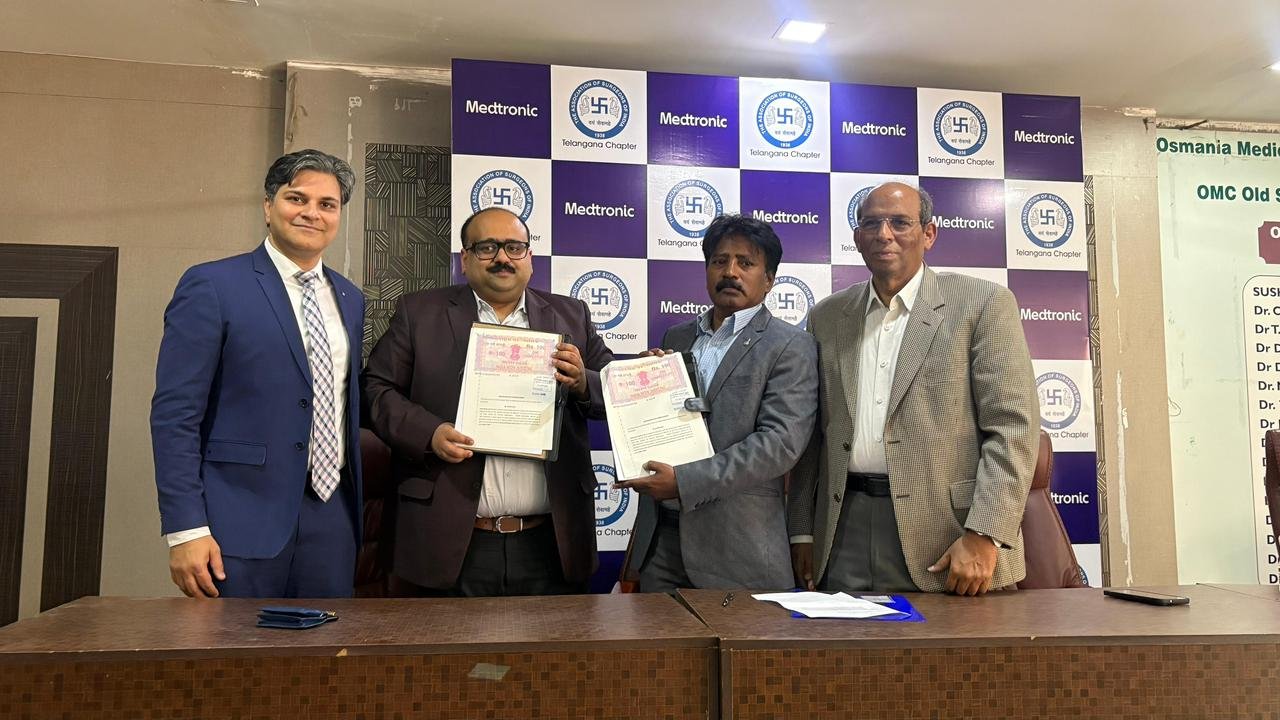
In line with the Government of India's commitment to strengthen preventive healthcare capacity, promote indigenously developed medical technologies and translate research into applied health solutions, the Technology Development Board of the Department of Science and Technology has entered into an agreement with DR Store Healthcare Service India, in Maharashtra, for a collaborative R&D project in the digital health sector.
Under this initiative, the Technology Development Board has approved grant support for the project for the development of a Multivital Continuous Glucose Monitoring (CGM) Device with Cardiovascular Biomarkers for Diabetes Monitoring as well as Early Detection of Cardiovascular Conditions. The project is supported under the Indo-Canada Collaborative Industrial R&D Programme.
The programme is a bilateral framework between the Department of Science and Technology and the National Research Council of Canada and Global Affairs Canada, which aims to support industry-driven, market-oriented R&D projects to develop commercially useful technologies of social importance. The project in India is being implemented in collaboration with Canada's Nanospeed Diagnostics Inc.
The main objective of this project is to integrate advanced cardio-metabolic biomarkers including B-type natriuretic peptide (BNP), troponin-I, and high-sensitivity C-reactive protein into continuous glucose monitoring systems. This technique by the existing CGM system of intrauterine fluid analysis is furthering the goal of enabling simultaneous and continuous monitoring of glucose levels and early cardiovascular risk indicators for the treatment of severe co-morbidities associated with diabetes.
This technology will aid in early detection, remote monitoring, and preventive management of cardiovascular diseases. This will especially benefit high-risk people. At the same time, the reliance on recurrent diagnostics and hospital-centered care will be reduced and affordable healthcare access will increase.