Experts suggest use of blood biomarkers and AI imaging for earlier Alzheimer’s diagnosis
September 22, 2026 | Tuesday | News
Mahajan Imaging & Labs highlights growing role of advanced diagnostics in the early evaluation of Alzheimer’s disease
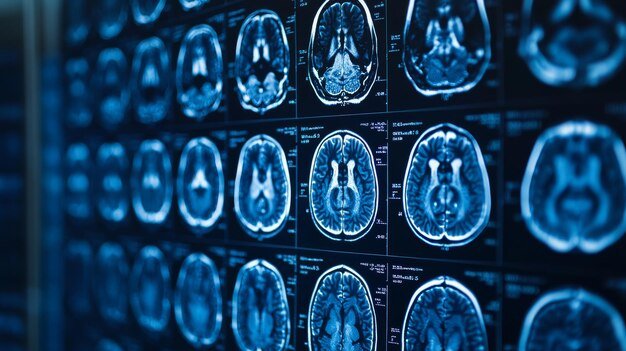
image credit- freepik
Mahajan Imaging & Labs recently hosted an expert webinar on the role of advanced diagnostics in the early evaluation of Alzheimer’s disease, focusing on pTAU217/βAmyloid1-42 blood biomarker testing, AI-enabled MRI brain imaging and FDG PET as complementary tools alongside clinical assessment.
The discussion brought together perspectives from neurology, nuclear medicine and laboratory diagnostics, reflecting Mahajan Imaging & Labs’ integrated capabilities across radiology, pathology, genomics and nuclear medicine.
The discussion comes as India faces a growing dementia burden, with more than 8.8 million people aged 60 years and above estimated to be living with dementia, Alzheimer’s disease accounting for the majority of cases, and the number projected to nearly double over the next decade.
(Padma Shri) Dr Harsh Mahajan, Founder & Chairperson, Mahajan Imaging & Labs and Mentor, FICCI Health, said, “Alzheimer’s care is entering an important phase where earlier biological understanding can influence how the disease is evaluated and managed. At Mahajan Imaging & Labs, our focus has been to bring advanced diagnostic capabilities together so that clinicians have access to meaningful evidence at different stages of the diagnostic journey. This convergence of clinical expertise, biomarkers and imaging can strengthen the way Alzheimer’s is identified and followed over time.”
Dr Ritu Verma, Director – PET CT & Nuclear Medicine, Mahajan Imaging & Labs, added, “PET imaging provides a functional perspective that cannot be obtained from structural imaging alone. In selected patients, FDG PET can help identify patterns of altered brain metabolism associated with neurodegenerative disease. Its value is greatest when the findings are interpreted with the clinical assessment, MRI and biomarker results rather than viewed in isolation.”
A key focus of the discussion was pTAU217/βAmyloid1-42 blood biomarker testing, introduced by Mahajan Imaging & Labs as part of its Dementia Diagnostic Series, which also includes cognitive health and genetic risk panels.
The USFDA- and CDSCO-approved test offers a less invasive approach to assessing Alzheimer’s-related biological changes compared with cerebrospinal fluid (CSF) testing.
The webinar also discussed the changing treatment landscape for Alzheimer’s disease. Established medicines such as donepezil, rivastigmine, galantamine and memantine continue to be used for symptomatic management. Newer disease-modifying therapies target amyloid pathology, with lecanemab and donanemab representing newer treatment options for eligible patients with early Alzheimer’s disease. Their use requires appropriate patient selection, confirmation of Alzheimer’s pathology and specialist monitoring.