Motorica India collaborates with PDUNIPPD to strengthen prosthetics training and clinical capabilities
April 23, 2026 | Thursday | News
Three-day programme focuses on advanced socket design, myoelectric technology and clinical skill development
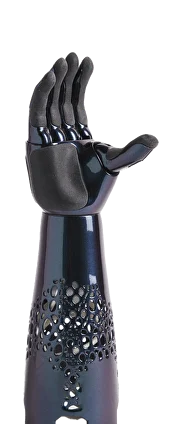
In a continued effort to strengthen clinical capabilities in prosthetics and rehabilitation, Motorica India recently concluded a three-day Continuing Rehabilitation Education (CRE) programme at Delhi-based Pt. Deen Dayal Upadhyaya National Institute for Persons with Physical Disabilities (DIVYANGJAN) (PDUNIPPD).
The programme, centred on advancements in socket technology for trans-humeral myoelectric prostheses, brought together students, clinicians, prosthetists and orthotists for hands-on learning and practical exposure.
Designed as a collaborative learning initiative, the programme combined PDUNIPPD’s clinical expertise with Motorica’s technical inputs, allowing participants to engage with contemporary prosthetic systems and understand their practical application in rehabilitation settings.
Through demonstrations, workshops and lab-based sessions, participants were introduced to new approaches in socket design, material selection and device customization, with an emphasis on improving comfort, functionality and long-term adoption for users.
A key highlight was live EMG assessments, facilitated using Motorica’s systems, allowing participants to understand how muscle signals are captured and translated into movement. This on-ground exposure enabled a deeper understanding of patient-specific calibration, clinical fitting and rehabilitation.
Sessions progressed from theory to application, covering casting techniques, lamination, fitting trials and functional testing, alongside app-based tuning and patient training simulations that reflect the growing integration of digital tools in prosthetic care.
The CRE programme attracted a diverse audience, including certified prosthetists and orthotists (CPOs), final-year and postgraduate students, and academic faculty from across India.
The initiative forms part of Motorica’s broader efforts to engage with the Indian prosthetics ecosystem through education-led programmes. In line with this, the company has introduced an educational initiative under its University of Medical Cybernetics, aimed at creating structured learning opportunities for prosthetics professionals to build relevant competencies and skills. The platform already provides Indian specialists access to online lectures.
By focusing on skill development, clinical exposure and knowledge exchange, such initiatives highlight the role of collaboration between institutions and technology providers in strengthening rehabilitation services in India, while contributing to ongoing efforts to improve the overall quality of prosthetic care.