Primus Partners report highlights nearly Rs 48,000 Cr annual pharmaceutical value leakage
July 22, 2026 | Wednesday | News
Calls for National Drug Recall and Medicine Take-Back Policies
image credit- freepik
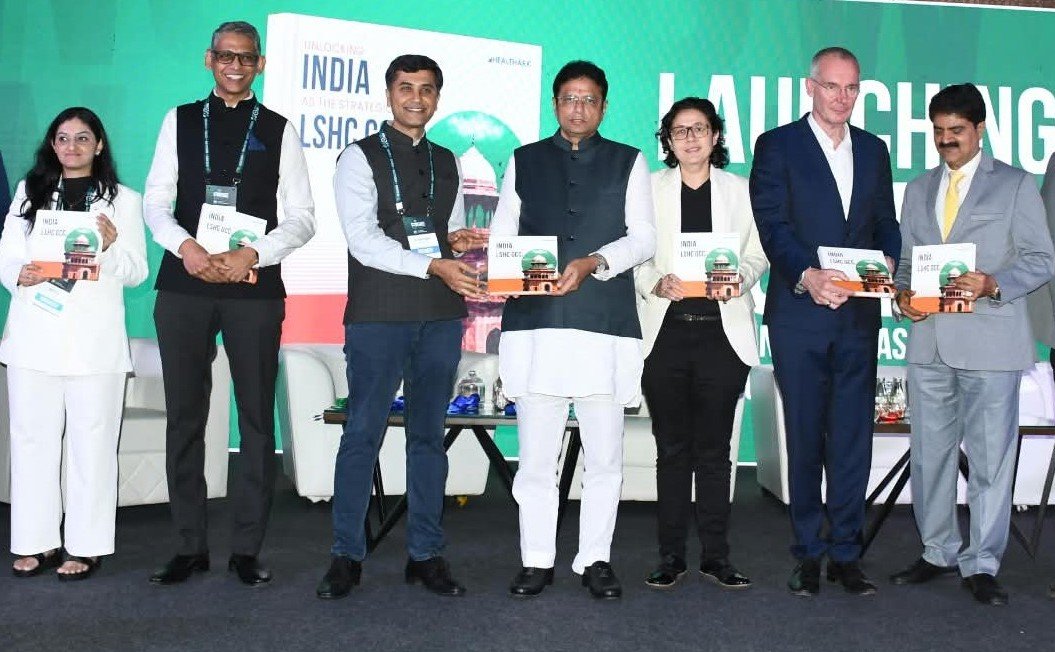
Primus Partners, India's leading management consulting firm, has released its latest thought leadership report, "The Leaking Pipeline: How India Loses Nearly 24% of Its Domestic Pharmaceutical Value Before It Generates a Health Outcome", highlighting an estimated annual loss of nearly Rs 48,000 crore across India's pharmaceutical value chain before medicines deliver their intended health outcomes.
The report estimates that nearly one-fourth of India's annual domestic pharmaceutical expenditure is lost due to government stock expiry and overstocking, unused household medicines, substandard and spurious medicines, and downstream treatment failures.
While India has established itself as the "Pharmacy of the World" through its manufacturing capabilities and affordable medicines, the report argues that the country's next phase of pharmaceutical leadership must focus on post-market accountability, ensuring medicines remain traceable, recoverable, and effective throughout their lifecycle.
The report recommends two key policy interventions to address these systemic leakages: a National Drug Recall Policy to strengthen mandatory recalls, digital traceability and batch-level monitoring of unsafe medicines, and a National Medicine Buyback/Take-Back Policy to facilitate the safe collection, recovery and disposal of unused or expired medicines.
Together, these measures seek to establish a closed-loop pharmaceutical ecosystem that enhances patient safety, improves supply chain transparency, reduces wastage and strengthens public trust.
According to the report, even a 25% reduction in current leakages could potentially recover Rs 10,000 to Rs 12,000 crore annually while improving medicine availability, reducing out-of-pocket healthcare expenditure and supporting better health outcomes for patients across the country.
The study also examines global best practices from the United States, the European Union, Australia and Canada, where integrated recall systems, digital traceability and medicine take-back programmes have significantly strengthened pharmaceutical governance.
It suggests that India can leverage its extensive healthcare infrastructure, Jan Aushadhi Kendras and rapidly expanding digital commerce ecosystem to build a scalable, technology-enabled pharmaceutical recovery network.