Anti-obesity segment to see surge in unit consumption with moderate value growth in next 2-3 months: Sheetal Sapale
January 19, 2026 | Monday | News
Branded generic entry anticipated from March 2026 is expected to be a major inflection point
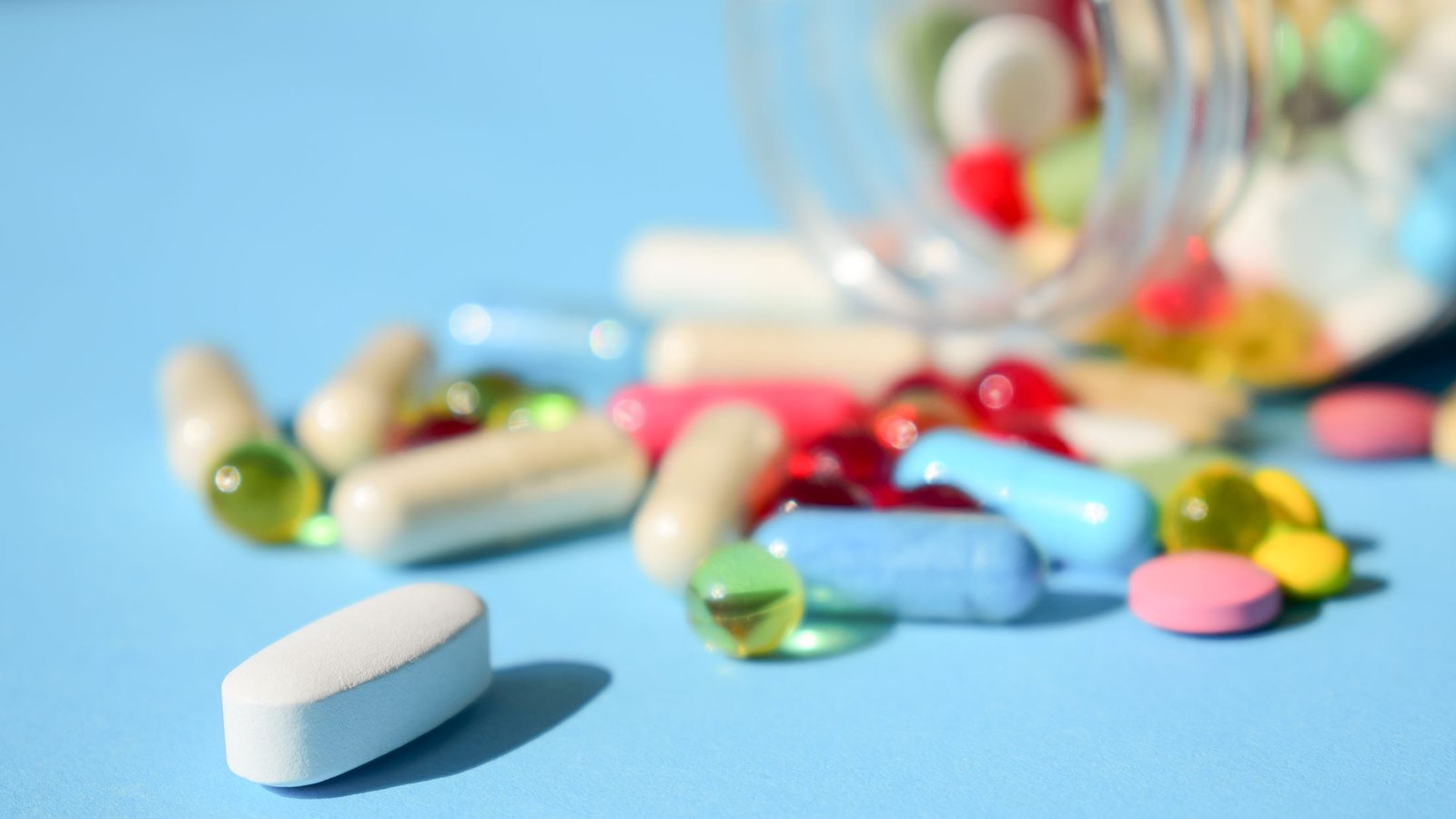
image credit- freepik
The Indian anti-obesity market has witnessed a sharp acceleration since 2022, driven by the launch of Rybelsus, oral semaglutide, by Novo Nordisk, which significantly enhanced awareness and acceptance of pharmacological obesity management. The segment has expanded rapidly from a value of Rs 96 crore in MAT December 2021 to Rs 1,169 crore in MAT December 2025, reflecting strong momentum in a predominantly premium category, according to Pharmarack Technologies.
In her presentation on Indian Pharma Market (IPM) with focus on Highlights of 2025 and what 2026 has in store, Sheetal Sapale, Vice President – Commercial at Pharmarack Technologies pointed out that subsequent launches of injectable semaglutide by Novo Nordisk and tirzepatide by Eli Lilly further strengthened market growth through improved dosing convenience and superior clinical efficacy, supported by extensive physician education and pre-launch market-priming initiatives. While value growth has been robust, volume growth has remained measured due to pricing and access considerations.
She further said that recent strategic partnerships announced in Q4 2025, with Novo Nordisk collaborating with Emcure and Eli Lilly partnering with Cipla, along with selective brand economization, have improved penetration and affordability, with their full impact expected to unfold over the coming months. Indian pharmaceutical companies well positioned to leverage this opportunity include Dr. Reddy’s Laboratories, Cipla, Sun Pharma, Natco Pharma, Mankind Pharma, Biocon, Lupin and Zydus Lifesciences, with additional players also expected to enter the space.
Looking ahead, she said “branded generic entry anticipated from March 2026 is expected to be a major inflection point, as such launches historically debut at approximately 20 to 35 per cent of innovator pricing, often triggering a two to five times surge in unit consumption within the first two to three months. While this is likely to accelerate volumes in the anti-obesity segment, value growth may moderate due to price erosion post generic entry.”