INST develops new method for better and comprehensive treatment of Alzheimer's disease
December 16, 2025 | Tuesday | News
Paving the way for more effective and personalised treatments for Alzheimer's disease
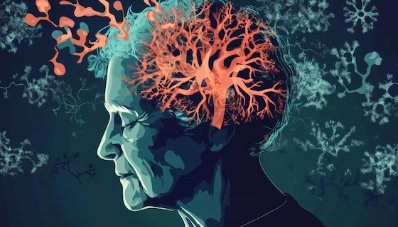
image credit- freepik
Researchers at Mohali-based Institute of Nano Science and Technology (INST), an autonomous institute of the Department of Science and Technology (DST), have consolidated nanotechnology, molecular biology and computational modelling to develop a multifaceted therapy for Alzheimer's disease.
This treatment involves integrating epigallocacachin-3-gallate (EGCG), an antioxidant found in green tea, dopamine (which is an important neurotransmitter for mood), and tryptophan (an amino acid involved in many cellular functions), into nanoparticles called EGCG-dopamine-tryptophan nanoparticles (EDTNP). This enables this treatment to simultaneously target amyloid aggregation, oxidative stress, inflammation, and neuronal degeneration, which are the four major pathological symptoms of Alzheimer's disease.
The incorporation of brain-derived neurotrophic factor (BDNF), a protein important for the survival, development, and function of neurons, into the EDTNP (B-EDTNP) creates a dual-functional nanoplatform that not only clears neurotoxic amyloid beta aggregates (clumps of proteins that disrupt nerve function and increase the pathology of Alzheimer's disease) but also enhances neuronal regeneration. This is a rare approach in the treatment of Alzheimer's that uniquely combines antioxidant, anti-amyloid, and neurotrophic actions for therapy.