Experts call for stronger ecosystems to scale Indian diagnostics innovation
May 08, 2026 | Friday | News
Session at the National Diagnostics Conclave focused on the transition from innovation to commercialisation
The panel discussion titled “Making it Happen: Enabling Diagnostics Developers and Manufacturers for Impact” was one of the key sessions at the National Diagnostics Conclave organized by the Centre for Cellular and Molecular Platforms (C-CAMP) recently. Conducted under the broader National Diagnostics Catapult (InDx 2.0) initiative, the session brought together leaders from India’s diagnostics ecosystem to deliberate on the challenges, opportunities, and structural requirements for building globally competitive indigenous in-vitro diagnostics (IVD) solutions. The conclave was supported by the Office of the Principal Scientific Adviser (PSA) to the Government of India, the Rockefeller Foundation, and the Gates Foundation.
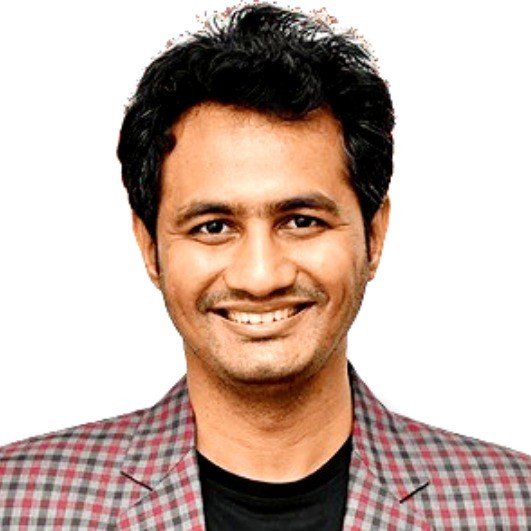
The discussion was moderated by Dr Nikhil Phadke, Founder & CSO, GenepathDx and featured distinguished panellists including Dr Chandrasekar Nair, Director & CTO, Molbio Diagnostics; Co-founder, Bigtec Labs; Dr Rachana Tripathi, CEO, Huwell Lifesciences; Dr Manoj Chugh, Vice President, R&D, Transasia Bio-Medicals Ltd and Harkaran Dhingra, CEO, DSS Takara Bio India. The session focused on the transition from innovation to commercialisation, highlighting the realities of scaling diagnostic technologies in India and the systemic interventions required to enable sustainable growth.
A major theme that emerged throughout the discussion was that diagnostics manufacturing is fundamentally different from conventional manufacturing sectors. Dr Manoj Chugh emphasized that scaling in diagnostics is not merely about increasing production volumes, but about ensuring precision, reproducibility, repeatability, reliability, and compliance over time. He stressed that quality in diagnostics cannot remain a regulatory checkbox; instead, it must evolve into an organizational culture deeply embedded across all functions. According to him, Indian diagnostics companies often face a gap between entrepreneurial urgency and regulatory timelines, where founders expect products to reach markets in months while actual approvals may take years. He highlighted the need for a more flexible and practical regulatory framework, particularly regarding predicate devices and acceptance of internationally approved reference kits for validation studies.
The panel also shed light on the entrepreneurial struggles faced by Indian diagnostics startups. Dr Rachana Tripathi shared the journey of building molecular diagnostic capabilities in India from scratch during the late 2000s, when the ecosystem lacked infrastructure, mentorship, organized markets, and funding mechanisms. She described how indigenous developers often faced challenges in accessing equipment, optimizing manufacturing processes such as lyophilization, and navigating regulatory pathways without institutional support. Despite these constraints, she noted that persistence, adaptability, and collaborative support from organizations such as the Gates Foundation enabled gradual progress toward commercialization. Her reflections highlighted the resilience required to build indigenous technologies in an ecosystem that is still maturing.
Another significant issue discussed was the fragmentation of the diagnostics ecosystem. Dr Chandrasekar Nair pointed out that modern diagnostics platforms require convergence across multiple disciplines including biology, chemistry, electronics, optics, mechanical engineering, polymer sciences, and software systems. However, innovation ecosystems in India often function in silos, preventing the kind of interdisciplinary collaboration necessary for globally scalable products. He argued that industry must take a more collaborative approach and work collectively to solve shared challenges instead of functioning in isolation under investor-driven competitive pressures.
The discussion further emphasized that developing a successful diagnostic platform requires far more than scientific innovation alone. Dr Nair described the “shiny new toy” problem, where many entrepreneurs focus on creating technologically impressive prototypes without adequately addressing the difficult transition from laboratory proof-of-concept to scalable manufacturing and global deployment. He explained that the real challenge lies in rebuilding prototypes into robust, scalable, validated products capable of surviving real-world variability, global regulatory scrutiny, and market expectations. The panel agreed that translating innovation into impact requires structured support systems for validation, manufacturing, quality systems, evidence generation, and international partnerships.
Global regulatory alignment emerged as another critical topic. The speakers noted that Indian diagnostics companies aiming for large-scale public health deployment must eventually satisfy international standards such as WHO prequalification. Dr Nair explained that generating globally acceptable evidence requires substantial funding, multinational clinical collaborations, and protocol standardization. He advocated for India to assume a leadership role for the Global South by creating regulatory ecosystems that can support low-cost, high-quality diagnostics designed specifically for emerging markets. Such an approach, according to the panellists, could help Indian companies scale internationally while simultaneously strengthening public health systems across low-resource regions.
The panel also highlighted the importance of long-term ecosystem support in nurturing innovation. Dr Nair reflected on the role played by institutions such as CSIR, ICMR, FIND, WHO, and philanthropic organizations in supporting Molbio Diagnostics through various stages of technology development and validation. He emphasized that early institutional support, especially during periods of zero revenue, was instrumental in enabling the company’s eventual success. The discussion reinforced the idea that diagnostics innovation requires patient capital, sustained public-private partnerships, and coordinated ecosystem development rather than short-term commercialization expectations.
A recurring concern among the panellists was the shortage of industry-ready skilled manpower. Dr Tripathi explained that startups frequently struggle to recruit trained professionals who understand industrial workflows, regulatory documentation, manufacturing systems, and product development processes. Many companies are forced to train employees from scratch, only to lose them to larger organizations offering higher salaries. The panel stressed the importance of industry-oriented training programs that bridge the gap between academic learning and practical industrial requirements. Building a robust talent pipeline was considered essential for sustaining innovation and improving operational efficiency across the diagnostics sector.
The importance of backward integration and supply-chain resilience was also discussed extensively. Dr Tripathi recounted how the COVID-19 pandemic exposed vulnerabilities associated with dependence on imported enzymes, plastics, primers, probes, and consumables. Delays in customs clearance and supply disruptions often jeopardized manufacturing timelines and product consistency. In response, companies began investing in local manufacturing capabilities for critical components such as enzymes and plastic consumables. The panellists agreed that while every company need not manufacture every component independently, India must develop a supportive local ecosystem where critical inputs are readily available through domestic suppliers and collaborative networks.
Moderator Dr Nikhil Phadke summarized many of the core insights by emphasizing that scientific invention constitutes only a small fraction of the total effort required to build impactful diagnostic products. Drawing from his own entrepreneurial experience, he highlighted that successful commercialization demands extensive work in scaling, regulatory approvals, funding, partnerships, manufacturing, and market access. He also pointed out that unlike many Western innovation ecosystems, where universities and larger corporations often share the commercialization burden, Indian entrepreneurs frequently attempt to build companies from ideation to full-scale deployment entirely on their own. This increases both operational complexity and financial risk for startups.
Overall, the panel underscored that India has made substantial progress in diagnostics innovation over the last two decades, but several systemic gaps continue to hinder the sector’s full potential. The discussion called for stronger industry-academia collaboration, regulatory modernisation, global market integration, manufacturing infrastructure development, organized market access, skilled workforce creation, and sustained funding support. The collective sentiment among the speakers was optimistic yet realistic: India possesses the scientific talent and entrepreneurial spirit necessary to become a global diagnostics leader, but achieving this vision will require coordinated ecosystem-level transformation and long-term commitment from industry, government, academia, and philanthropic stakeholders alike.