BVG India and Senecio Robotics to deploy AI-driven sterile mosquito technology in India
January 08, 2026 | Thursday | News
Underscoring the growing collaboration between India and Israel in science-driven public-health innovation
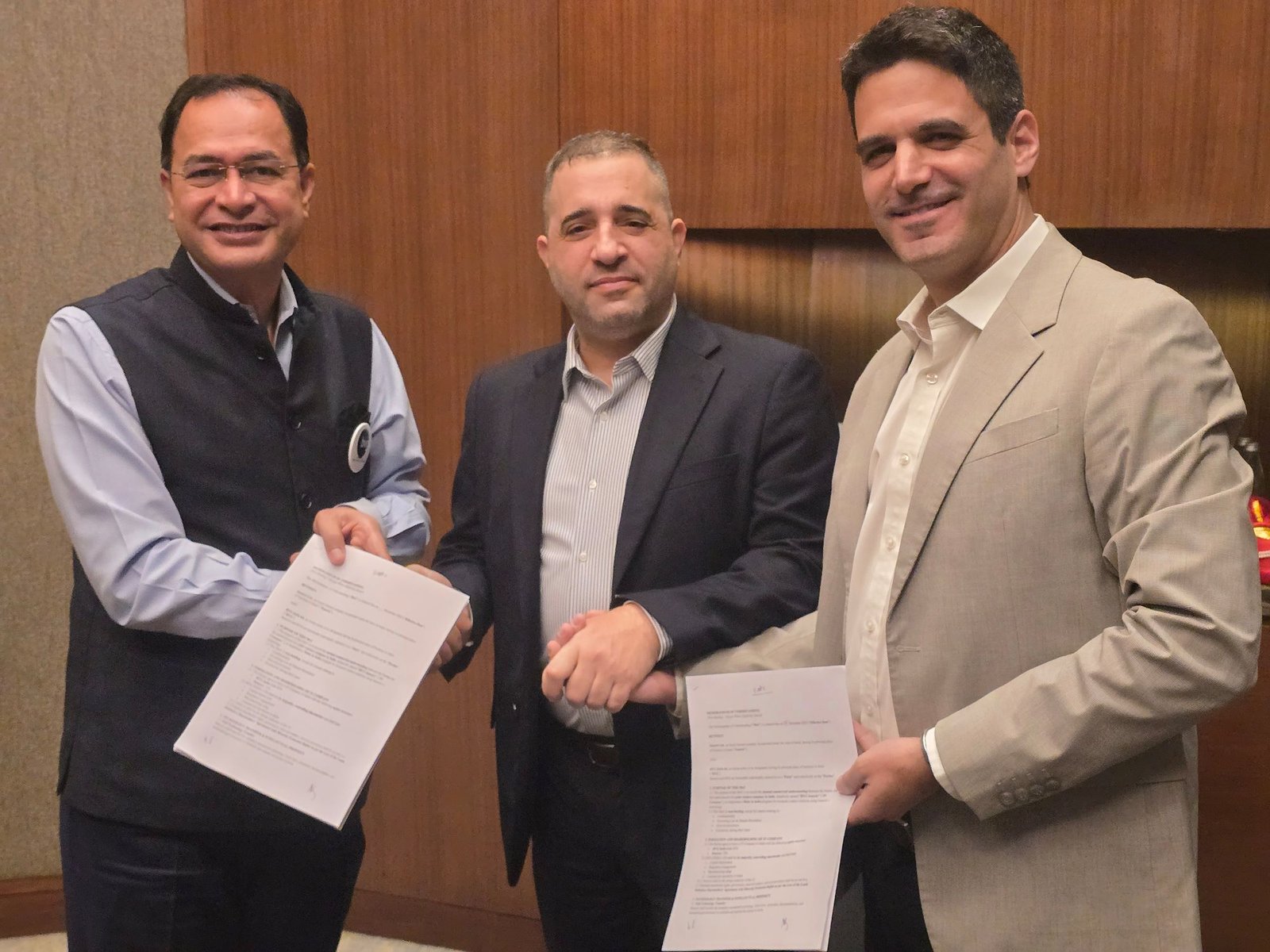
Senecio Robotics, an Israel-based deep-tech company specialising in artificial intelligence (AI) and robotics, has announced the signing of a Memorandum of Understanding (MoU) with BVG India Limited (BVG), one of India’s largest professional services providers to introduce advanced Sterile Insect Technique (SIT) mosquito control solutions in India.
The MoU was signed during a formal ceremony hosted with the support of the Israeli Embassy in India and graced by the presence of Yaniv Revach, Consul General of Israel to India, underscoring the growing collaboration between India and Israel in science-driven public-health innovation.
The solution is non-GMO, 100% natural, and chemical-free, involving no genetic modification, no gene editing, and no environmental spraying. It is designed to complement existing public-health measures while addressing growing concerns related to insecticide resistance, environmental impact, and long-term effectiveness.
At the core of the initiative is the Sterile Insect Technique (SIT), a method recognized globally and supported within international public-health frameworks, including guidance published by the World Health Organization (WHO) for the safe planning, testing and evaluation of SIT for mosquito control. The approach involves the controlled release of locally sourced, non-biting male mosquitoes that are rendered sterile. Because female mosquitoes typically mate only once, mating with sterile males results in non-viable eggs, leading over time to a natural reduction in the local mosquito population.
Senecio Robotics brings a differentiated technological capability to SIT deployment through its AI- and robotics-driven production platform, which automates mosquito rearing, sorting, and quality assurance at industrial scale. This enables production facilities to be adapted to local mosquito species, climate conditions and population density, while generating the volumes required to cover large urban and regional areas.
The collaboration will focus on establishing localised production capabilities and deployment pathways in India, in coordination with relevant stakeholders and authorities. The initiative aims to support long-term mosquito population management without harming non-target species or ecosystems.