Back to Basics: A Simple Guide to Checkweighing in Pharmaceutical Production
August 18, 2026 | Tuesday | Features | By By Miriam Krechlok, Segment Marketing Manager, Mettler Toledo
In pharmaceutical manufacturing, precision is fundamental. Whether producing tablets, vials or medical devices, manufacturers need confidence that every product leaving the line meets quality and regulatory requirements. Checkweighing plays an important role in providing that control, helping to verify fill levels, identify missing components and support compliance.
What Is Checkweighing?
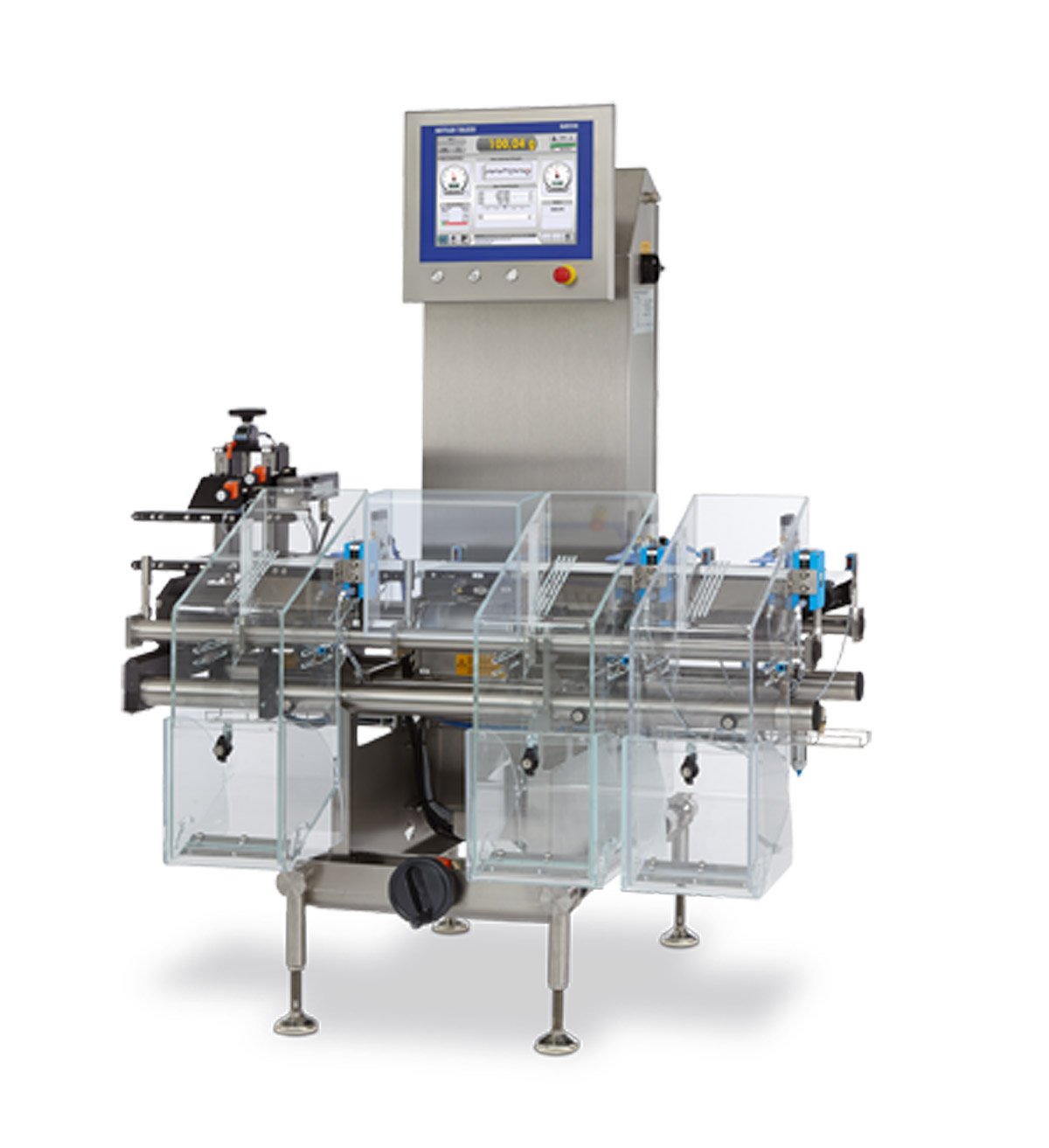
Dynamin checkweighing measures individual products as they move along a production line. Unlike a static laboratory balance, a dynamic checkweigher can inspect every item without interrupting production.
As a vial, blister pack or carton passes across the weighing platform, its weight is compared with pre-set tolerances. Products that fall outside these limits can then be automatically rejected.
This makes checkweighing valuable for more than simply confirming weight. A small difference can indicate an incorrect fill level or a missing leaflet, tablet, syringe, cap or other component.
Where is Checkweighing Used?
The role of the checkweigher varies depending on the product and where it is positioned on the line. In solid-dose production, systems are commonly used after filling or packaging to check tablet bottles, blister packs, sachets and cartons for completeness.
For liquid medicines, checkweighers can monitor the fill level of vials, ampoules, bottles and syringes. Weight data can be fed back to upstream filling equipment, helping manufacturers identify filling drift and make adjustments before it leads to product giveaway or rejected batches.
The same principle can be applied to medical devices, including auto injectors and diagnostic kits, where an unexpected weight can indicate a missing component.
Supporting Pharmaceutical Compliance
Checkweighing is particularly valuable in pharmaceutical production because processes must be controlled, validated and documented. Modern systems can support Good Manufacturing Practice (GMP) guidelines, as well as qualification processes covering Design, Installation, Operational and Performance Qualification.
They can also support electronic data integrity requirements aligned with FDA 21 CFR Part 11. Weight and performance data can be transferred into site-level systems, supporting traceability, batch documentation and investigations.
Technologies such as FlashCell™ from Mettler Toledo allow high-precision weighing at fast production speeds, while features including locking reject bins, air-pressure monitoring, operator event logs and signalling devices provide additional control around inspection and rejection.
Equipment Qualification Packs and Due Diligence Kits from Mettler Toledo can provide further documentation to support validation and demonstrate that systems are operating as intended.
More than a Compliance Tool
Although regulatory requirements are a major reason for investing in checkweighing, the technology can also deliver wider operational benefits. High-speed weighing and automated rejection can support throughput and reduce manual intervention, while feedback control helps limit product giveaway and improve yield.
Recorded weight data also strengthens traceability and can support faster investigations, while modular system designs allow quicker format changeovers for smaller batches or contract manufacturing.
For pharmaceutical manufacturers, this combination of precision, efficiency, flexibility and traceability makes dynamic checkweighing an important part of maintaining quality throughout production.