Solving Medical Inflation, Why the TPA Model Must Evolve
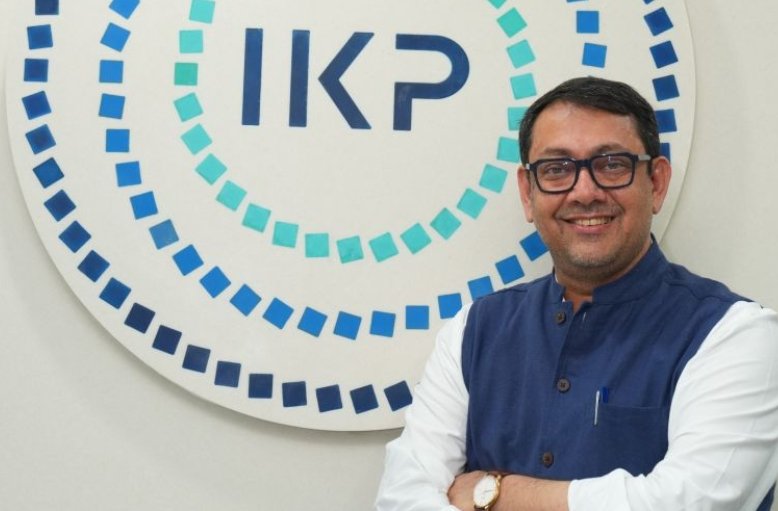
January 20, 2026 | Tuesday | Views | By Dr Vijay Sankaran, Chief Claims Officer at Medi Assist
Future of healthcare financing and delivery to be powered by technology and intelligence
India’s healthcare industry is undergoing a remarkable transformation. Projected to be valued at approximately $638 billion by 2025, it remains one of the fastest-growing sectors in the country, fuelled by rising income levels, increased health awareness, and expanding insurance coverage.
Yet, despite this impressive growth, the gap between access and affordability continues to widen. Medical inflation in India is rising at an annual rate of 12 to 14 percent, pushing many families into the agonising position of choosing between essential healthcare and financial security.
This strain is becoming increasingly visible. Insurance premiums are rising, driven by growing out-of-pocket expenses, costly pharmaceuticals, increasing operational expenses in hospitals, and the introduction of new technologies and rising professional fees. As the economics of healthcare evolves, there is a pressing need for smarter, more transparent systems that empower consumers to make informed and strategic choices.
Individuals must be able to evaluate health plans more effectively by considering deductibles, long-term needs, family floater options, and policy comparisons. Leveraging preventive care and choosing providers from a robust cashless network can significantly enhance cost efficiency. This is where third-party administrators (TPAs) are stepping in, not merely as intermediaries but as enablers of affordable, value-driven healthcare.
The future of healthcare financing and delivery must be powered by technology and intelligence. The role of TPAs has already evolved well beyond claims processing. Today, TPAs are simplifying complex processes, reducing costs, and creating tangible value across the healthcare ecosystem for insurers, corporates, hospitals, and most importantly, policyholders.
Over the past few years, several high-impact innovations have redefined the TPA model. These include AI-led fraud detection, real-time cost prediction, automated claims workflows, and data-driven hospital network design. Such innovations are not just theoretical; they have helped partners reduce healthcare inflation to as low as 5 percent, well below national averages, delivering meaningful savings to both insurers and individuals.
One of the most effective strategies has been smart network optimisation. By analysing cost-effective hospitals and procedures through AI-powered analytics, TPAs are helping steer members towards high-quality, affordable treatment options. At the same time, they support insurers in better managing claim payouts. These insights also enable more effective negotiations with hospitals, reducing claim sizes and ensuring better rates for all stakeholders.
Insurance fraud remains another persistent challenge, one that modern TPAs are tackling head-on. Advanced machine learning models are helping detect anomalies such as inflated bills or unnecessary treatments before they translate into payouts. In some cases, fraud detection rates have improved by over 60 percent year-on-year. This is a crucial development that protects honest policyholders and reinforces fairness in the system.
Efficiency is another critical pillar. With end-to-end digitisation of enrolments, pre-authorisation, discharges, and claims settlement, TPAs are drastically lowering turnaround times and administrative costs. One standout innovation is the real-time estimation of out-of-pocket expenses using AI-powered tools. These provide members with cost projections tailored to their specific plan and provider, eliminating ambiguity and helping them plan better.
In addition to these capabilities, newer initiatives are taking a more human-first approach. Some TPAs now offer concierge-style services that assist members throughout their healthcare journey, from navigating hospitals to real-time resolution of policy queries and claims. These services combine the precision of technology with the empathy of personal support, making healthcare more accessible and less intimidating.
India’s medical inflation challenge is complex but not insurmountable. As the industry scales, the focus must shift from volume to value, led by data-driven solutions that reduce costs while safeguarding care quality. TPAs are leading this shift by proving that healthcare can be transparent, cost-effective, and compassionate at the same time.
At a time when millions of Indian households remain vulnerable to healthcare-related financial shocks, the role of TPAs has never been more important. They are no longer just claim processors. They are strategic partners helping individuals, insurers, and the broader ecosystem transition to a more equitable and efficient healthcare future.
Dr Vijay Sankaran, Chief Claims Officer at Medi Assist