“If you're looking to build the next generation of life sciences innovation, we'd be delighted to partner with you”
October 01, 2026 | Thursday | Views | By Narayan Kulkarni
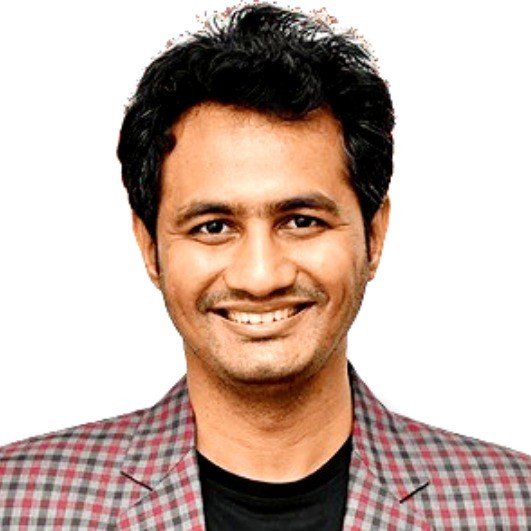
Sarvesh Singh assumed charge as CEO of Telangana Life Sciences on April 1, bringing extensive experience in building innovation ecosystems and strengthening industry-government collaboration. As Telangana continues to position itself as one of India's leading life sciences hubs, his appointment comes at a crucial time when the state is accelerating investments in biopharma, medtech, genomics, digital health, and global innovation partnerships. In this interview, he shares his vision, priorities, and roadmap for the next phase of growth.
Congratulations on your appointment as CEO of Telangana Life Sciences. What are your top three priorities during your first year in office?
Thank you. Telangana is entering a defining phase in its life sciences journey, and I am excited to be part of that transformation. The state already has a strong foundation built on progressive policies, world-class infrastructure, and a collaborative ecosystem. My team and I will be working across several areas including investments, innovation, talent, startups, infrastructure, and global partnerships. However, if I had to identify the three priorities that will shape our efforts during the first year, these would stand out.
The first is execution. Telangana has a clear vision for the sector, and our immediate focus is on translating that vision into measurable outcomes. Whether it is facilitating investments, enabling strategic projects, or creating a business-friendly environment, our emphasis will be on delivering tangible impact.
The second is preparing the ecosystem for the future. Life sciences is evolving rapidly with advances in biologics, AI, digital health, precision medicine, and advanced manufacturing. We want Telangana to be among the first places where these technologies are developed, adopted, and scaled.
The third is strengthening the ecosystem for long-term growth. This includes building a future-ready talent pipeline, encouraging stronger industry-academia collaboration, supporting startups and entrepreneurs, and expanding global partnerships that bring knowledge, technology, and investment into Telangana.
Ultimately, our goal is not just to sustain Telangana's leadership in India, but to position it among the world's leading life sciences ecosystems where innovation, research, manufacturing, and entrepreneurship can thrive together.
Telangana has established itself as India's life sciences capital. What is your vision for the ecosystem over the next five years, and how do you plan to build on the state's existing strengths?
Over the next five years, I believe our biggest opportunity is to move beyond being known primarily as a manufacturing hub and establish Telangana as a complete life sciences ecosystem where research, innovation, manufacturing, startups, talent, and global companies grow together.
To achieve this, our role is not to build everything ourselves but to bring the ecosystem together and accelerate areas that will define the future of life sciences.
One area of focus will be strengthening innovation and biomanufacturing capabilities by supporting initiatives around biologics, cell and gene therapy, precision fermentation, and advanced therapeutics. At the same time, we want to create stronger pathways for startups to access research infrastructure, funding, mentors, industry partners, and global markets.
Another important area is building ecosystem capabilities. This means working closely with industry to identify infrastructure gaps, strengthening academia-industry collaboration, developing future-ready talent through initiatives such as the Telangana School of Life Sciences, and supporting companies with the ecosystem they need to scale.
We also see significant value in global collaboration. Over the next few years, we will continue building partnerships with leading international clusters, research institutions, and companies to facilitate technology transfer, collaborative research, investment, and market access.
Ultimately, success will not be measured only by the number of companies we attract, but by the strength of the ecosystem we create. If Telangana becomes the place where companies can innovate, manufacture, collaborate, and scale throughout their entire journey, I believe we will naturally emerge as one of the world's leading life sciences hubs.
Since assuming office on April 1, what have been your key observations after interacting with industry, startups, academia, and research institutions? Where do you see the biggest opportunities and gaps?
Over the last few months, I've had the opportunity to interact with industry leaders, startups, academia, researchers, and investors across the ecosystem. One thing that has become very clear is that Telangana has all the ingredients needed to become one of the world's leading life sciences ecosystems.
What impressed me most is the depth and diversity of the ecosystem. We have the presence of leading global life sciences companies across pharmaceuticals, biotechnology, medtech, and Life Sciences Global Capability Centres (GCCs). We have one of the country's strongest talent pipelines with a large concentration of pharmaceutical colleges, top engineering institutions, and management schools. Alongside this, Hyderabad has a mature supporting ecosystem of IT companies, consulting firms, digital capability centres, Contract Research Organisations (CROs) and other professional services that today's life sciences industry increasingly depends on.
The research and innovation ecosystem is equally impressive. Institutions such as Dr. Reddy's Institute of Life Sciences (DRILS), research centres, and more than 20 life sciences incubators and innovation platforms, including BioNESTs, Biotechnology Incubation Centre (BTIC), Antimicrobial Resistance Centre of Excellence (AMR CoE), T-Hub, and other startup enablers, provide a strong foundation for innovation and entrepreneurship. Combined with an industry-friendly government and progressive policies, Telangana offers an ecosystem that is difficult to replicate.
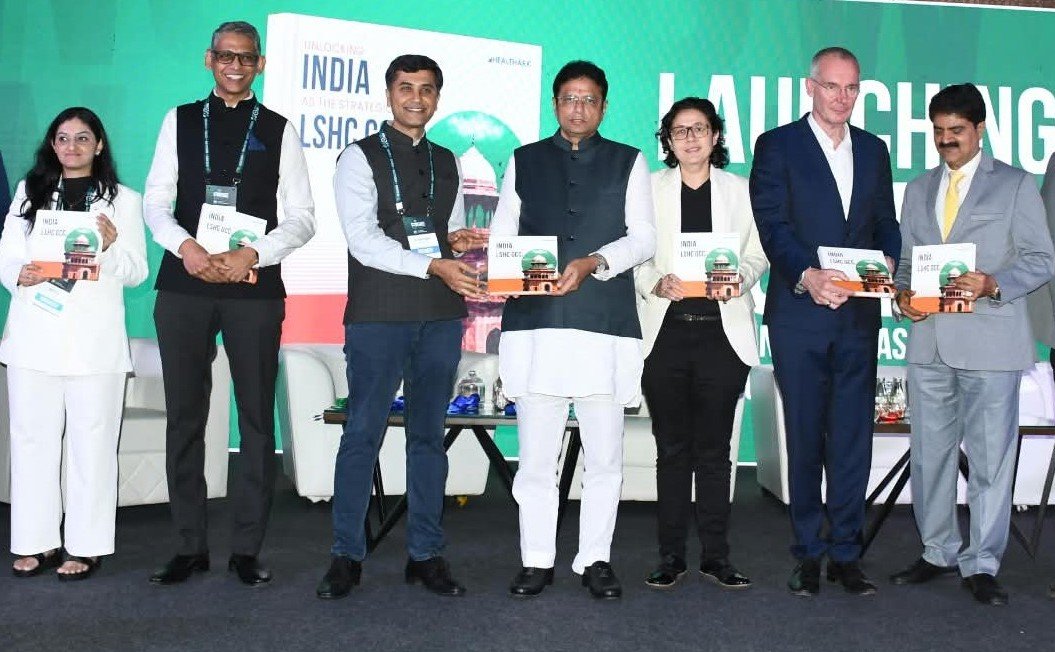
At the same time, I believe the next opportunity lies in bringing these strengths together more effectively. The ecosystem already has all the right building blocks. Our focus now is to create stronger collaboration between industry, academia, startups, research institutions, and government so that talent development, innovation, infrastructure, and policy evolve together. Initiatives like the Life Sciences & Healthcare GCC Consortium are a step in that direction, creating structured platforms where the ecosystem can collectively identify challenges and work towards practical solutions.
How do you plan to strengthen collaboration between the government, industry, research institutions, and investors to create a more integrated innovation ecosystem?
One of our priorities is to create platforms where different stakeholders can regularly work together to identify challenges, develop solutions, and drive implementation. A good example is the Life Sciences & Healthcare GCC Consortium, where industry leaders, government, academia, and ecosystem partners are working together on four priority areas: capability building, innovation & technology, infrastructure enablement, and policy & regulatory engagement. Rather than being a networking forum, it is designed as an execution platform led by industry.
We want to adopt a similar approach across other areas of the life sciences sector. Whether it is startups working with global companies, researchers collaborating with industry on translational research, or investors connecting with high-potential innovators, our role is to create the right platforms and remove barriers that slow collaboration.
I also believe research should not remain confined to laboratories. Hyderabad has outstanding universities, research institutions, incubators, hospitals, and global companies. The opportunity is to create stronger pathways for ideas to move from research to commercialisation through industry partnerships, startup engagement, access to shared infrastructure, and global market connections.
When collaboration becomes structured and purpose-driven, innovation accelerates naturally. That is the approach we want to strengthen across Telangana's life sciences sector.
Global life sciences companies are increasingly looking at India for R&D and manufacturing. What strategies will Telangana adopt to attract the next wave of investments in areas such as biologics, cell and gene therapy, precision medicine, and AI-driven drug discovery?
The next wave of investments will be very different from the last. Companies investing in biologics, cell and gene therapy, precision medicine, and AI-driven drug discovery are looking beyond manufacturing. They want locations that offer strong research capabilities, advanced infrastructure, scientific talent, and opportunities to collaborate across the entire innovation value chain. Our focus is on strengthening these capabilities by expanding advanced biomanufacturing, research infrastructure, translational research, and creating stronger linkages between industry, startups, research institutions, and healthcare providers.
We're also seeing a shift in how global companies are investing in Telangana. Many are expanding across the entire value chain. For example, companies like Novartis have both manufacturing operations and a Global Capability Centre in Hyderabad, while several others are establishing high-value R&D, AI, digital, clinical, and regulatory capabilities alongside their core operations. Our objective is to build on this momentum and ensure Telangana continues to be the destination where global companies choose not only to manufacture, but also to innovate, collaborate, and scale their global operations.
Startups have been a major driver of innovation in Telangana. What new initiatives are being planned to improve access to funding, incubation, mentoring, and global market opportunities?
You're absolutely right. Startups have been one of the biggest drivers of innovation in Telangana, and we want to build on that momentum. Our focus now is to help more startups move beyond the proof-of-concept stage and successfully commercialise their innovations.
We're strengthening platforms such as the State Biotechnology Incubation Centre (SBTIC) and 1Bio, while also operationalising the Rs 100 crore Life Sciences Innovation Fund, which will provide equity and grant support to promising startups working in areas such as biotherapeutics, molecule discovery, and biomanufacturing. Alongside this, platforms like BioAsia and our partnerships with global companies and investors will help startups build collaborations, attract investment, and access international markets. Our ambition is simple: if you're building the next breakthrough in life sciences, Telangana should be the best place to start, grow, and scale.
Talent continues to be a critical challenge for the sector. How will Telangana strengthen its skilled workforce pipeline through academia-industry partnerships and specialised training programmes?
One of Telangana's biggest strengths is its talent base. Hyderabad has one of the highest concentrations of pharmacy colleges in the country, along with leading engineering and management institutions. This gives us a unique advantage in building multidisciplinary talent for the future of life sciences.
Our focus now is to build on this strength by working more closely with industry and academia. We're encouraging industry-led curriculum development, internships, apprenticeships, live industry projects, and specialised training in emerging areas such as biologics, AI, digital health, and advanced manufacturing.
We have launched a unique PhD programme in collaboration with BITS Pilani and RMIT University to build globally competitive research talent for Telangana’s life sciences ecosystem. The programme goes beyond academic research by connecting PhD scholars with industry-led challenges, real-world use cases and translational opportunities. Our objective is to create a talent pipeline that can drive the next generation of innovation—from advanced therapeutics and biomanufacturing to AI-enabled life sciences.
We have launched the 1M1B–Microsoft Centre of Excellence to build a future-ready workforce with a strong focus on green skills and sustainability. Our aim is to equip young talent with the skills needed for emerging green technologies and sustainable industries, while creating stronger linkages between education and industry. For Telangana, this is about building not just a skilled workforce, but a workforce that can power our transition towards a greener and more sustainable life sciences ecosystem.
Innovation today increasingly cuts across biotechnology, medtech, digital health, AI, and data science. How do you see Telangana creating stronger convergence across these sectors?
The future of life sciences is no longer about individual sectors. Companies like Medtronic, Johnson & Johnson, and Thermo Fisher Scientific are bringing together biotechnology, medical devices, AI, digital health, engineering, and data science to develop integrated healthcare solutions. That's the direction the global industry is moving.
Telangana is uniquely positioned to lead this convergence because we already have one of the world's strongest life sciences clusters alongside one of India's largest technology ecosystems. Hyderabad is home to global technology leaders such as Microsoft, Amazon, Google, and many others, while also hosting leading pharmaceutical, biotech, and medtech companies. This unique combination allows innovations in AI, cloud computing, data science, engineering, and automation to be rapidly adopted across the life sciences value chain. I believe this convergence will define the next phase of healthcare innovation, and Telangana is well positioned to lead it.
How will Telangana Life Sciences measure success over the next three to five years? Are there specific investment, employment, startup, or innovation milestones that you have set for the organisation?
Over the next three to five years, we will measure success not just by the amount of investment attracted, but by the quality and depth of the ecosystem we build. We want to see more companies choosing Telangana for R&D, innovation, advanced manufacturing and global capability centres; more high-value jobs being created; and a stronger pipeline of startups moving from research and ideas to commercial scale. Ultimately, our measure of success will be whether Telangana becomes a place where the world’s leading life sciences companies come not only to manufacture, but to innovate, collaborate and build the future.
Looking ahead, what message would you like to convey to global investors, multinational companies, and emerging biotech entrepreneurs considering Telangana as their destination for innovation and growth?
At the end of the day, investors and innovators look for confidence. Confidence in policy, confidence in talent, confidence in infrastructure, and confidence that the government will be a long-term partner. That's what we're committed to building in Telangana. If you're looking to build the next generation of life sciences innovation, we'd be delighted to partner with you.
Narayan Kulkarni
(narayan.kulkarni@mmactiv.com)